
Biosecurity Governance
A crucial role for boards

Biosecurity Governance for NZ Boards.

Protecting your business, New Zealand's unique natural environment, its economy and our way of life.

Directors in discussion around a boardroom table, a New Zealand city and green hillside beyond the windows
$16B

Potential cost of a foot-and-mouth outbreak, over four to five years

7

Areas in the Director’s Checklist

5

Core principles for boards in the oversight of biosecurity risks

The Core Challenge

An organisation-wide risk, not just an operational one.

Directors have an obligation to be aware of all types of risks to a business and to ensure they are appropriately managed. Boards should approach biosecurity as an organisation-wide risk management issue, not just an operational issue.

No one wants to be sitting on the Board of an organisation importing goods in a shipping container, or using a ship determined to be the source of a biosecurity incursion, impacting or effectively shutting down other businesses, or an entire sector.
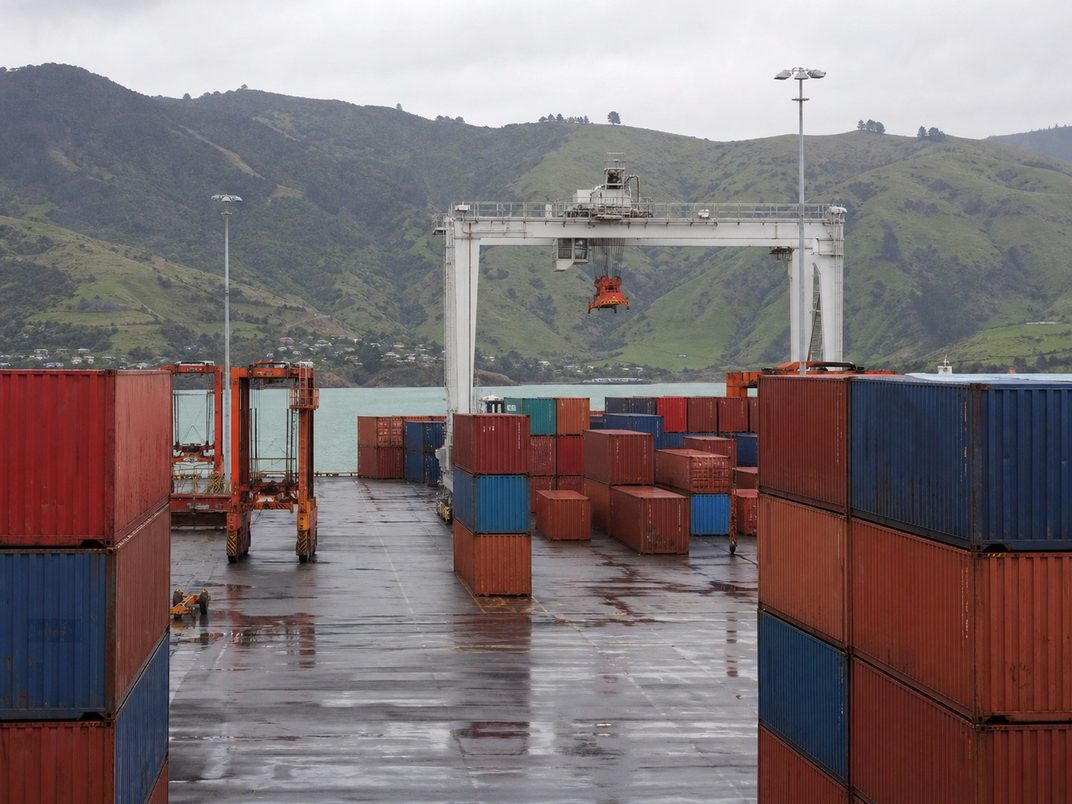

Stacked shipping containers and a gantry crane at a New Zealand port on an overcast day
Vulnerability One incursion can shut down other businesses, or an entire sector.

Who Is This For?

The Boardroom Audience

Board Chairs and Directors

Hover to detail

Board Chairs and Directors

Directors with an obligation to be aware of all types of risks to the business, and to ensure they are appropriately managed.

Strategic Oversight

Governance Professionals

Hover to detail

Governance Professionals

Company secretaries and risk committee members tasked with institutionalising sound biosecurity frameworks and strengthening board-level assurance.

Framework Institutionalisation

Trustees and Committee Members

Hover to detail

Trustees and Committee Members

Trustees and audit or risk committee members who hold biosecurity oversight and want sharper assurance questions to ask.

Oversight and Assurance

This IS for you if...

  • You sit on or report to a Board of Directors.
  • You recognise biosecurity as a core organisational and economic risk.
  • You want to bridge the gap between strategy and supply chain reality.

This is NOT for you if...

  • You are looking for operational, entry-level biosecurity training.
  • You believe biosecurity is solely a government or on-the-ground issue.
  • You would rather not revisit how biosecurity sits in your risk register.

The Governance Curriculum.

A five-part programme for directors, built on the Pledge's guidance for boards.

Two company directors talking beside an office window
Module 01

The Governance Responsibility

  • Beyond operational compliance.
  • Biosecurity as an organisation-wide risk.
  • Potential legal liability, alongside health and safety.
A director listening during a board discussion
Module 02

The Five Core Principles

  • The five core principles for boards.
  • Biosecurity on the board agenda.
  • Access to expertise, and resourcing the approach.
A packhouse supervisor talking with a visiting manager beside a produce grading line
Module 03

Strategic Culture and Supply Chain

  • Leading our biosecurity culture.
  • Board influence across the workforce.
  • Setting expectations with suppliers.
A quarantine officer inspecting timber packaging at the doors of a shipping container
Module 04

Risk, Assurance and Escalation

  • The seven-point Director's Checklist.
  • Discussing the board's risk appetite.
  • Types of decisions referred to the board.
Two directors gathering papers at the end of a board meeting, a harbour beyond the windows
Module 05

Strategic Action and Verification

  • Building a board discussion document.
  • Translating insights into boardroom reflection.
  • Your board readiness picture, to take into your next meeting.

“Boards and directors have a crucial role in driving biosecurity excellence to ensure the long-term sustainability of their organisations, industries and the economy.”

Peter McBride, Chairman, Fonterra Co-operative Group
Addressing Concerns

Common Questions

How does biosecurity sit alongside our other governance risks?

The Pledge guidance places biosecurity alongside health and safety and food safety as part of good business risk management, with potentially similar levels of legal liability for companies and directors. It does not cover specific requirements under the Biosecurity Act 1993. For compliance questions we recommend you seek independent advice or speak to the regulator, Biosecurity New Zealand.

Is it specific to New Zealand?

Yes. It follows the Biosecurity Business Pledge’s guidance for New Zealand boards, and the regulator it refers you to is Biosecurity New Zealand.

Who exactly should take this?

It is designed for Board Directors, Chairs, Trustees, and Governance Professionals who have an obligation to be aware of the risks to their business and to ensure they are appropriately managed.

Do I get a certificate?

No. The Pledge does not verify a credential or certificate. When you finish you'll get a congratulations for completing, plus practical tools and questions to keep biosecurity fresh in your strategic and operational thinking.

Disclaimer

While every effort has been made to ensure the information is accurate, the Biosecurity Business Pledge Steering Group does not accept any responsibility or liability for any error of fact, omission, interpretation or opinion that may be present, nor for the consequences of any decisions based on this information. Any view or opinion expressed does not necessarily represent the view of the Biosecurity Business Pledge Steering Group.